Skip to content
Emqopter
Development Platforms

Research & Development

Development platforms for demanding research and development

Quadrotor Control System

Our QCS development platforms combine carrier systems suitable for industry with our versatile open source development platform EMQ Control.

Flight-capable development platforms for your software and hardware development – optionally with your own software, a proven standard flight controller or redundantly with both.

Which drone suits your application?

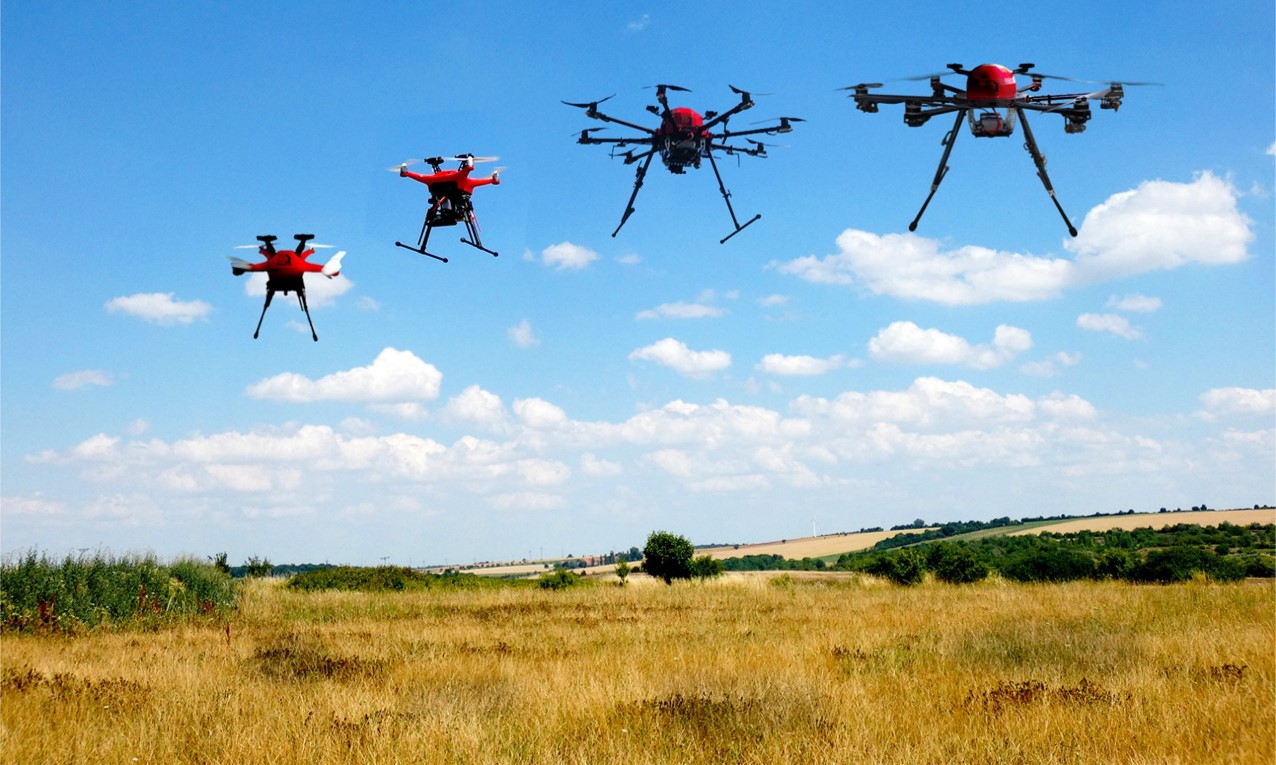
Five platforms – from handy to 10 kg payload

All platforms of the Q series are openly programmable and can be equipped with our add-ons. They fly with EMQ Control, with Pixhawk or redundantly with both (EMQ Supervised Pixhawk Control) – including a fallback switch that takes over in case of a fault.

Platform Qlog Qlog Small, light, low operational risk Qmed Qmed Qlog with AI on board Q8000 Q8000 For increased requirements Q6000 Q6000 Long flight time, high payload Q6500 Q6500 Maximum requirements
Wingspan approx. 66 cm approx. 66 cm approx. 155 cm approx. 182 cm approx. 236 cm
Payload approx. 1 kg approx. 500 g in addition to sensors up to 2 kg up to 5 kg up to 10 kg
Flight time approx. 20 min approx. 20 min up to 25 min up to 45 min up to 60 min
Range approx. 15 km approx. 15 km up to 10 km up to 10 km up to 30 km
Speed approx. 50 km/h approx. 50 km/h approx. 30 km/h approx. 30 km/h approx. 50 km/h
Suitable for Getting started, pilot training, easy approval (take-off weight below 4 kg) AI applications: 3D camera and on-board computer (CPU/GPU) of your choice Inspection and surveying with sensor payload; also available as coaxial octocopter Heavy payloads, transport, sensor placement Largest payload and range at a take-off weight below 25 kg

Approximate figures; flight time and range depend on payload, weather and configuration. Every platform is also available as a fully autonomous delivery drone in a complete package.

Your advantages at a glance

  • Concentrate on your application development - airworthy development platform and delivery system in one

  • Maximum reliability thanks to Fail Safe: Avoid unnecessary crashes and damage

  • The right solution for all requirements with the five options Qlog, Qmed, Q8000, Q6000 and Q6500

  • Endless possibilities thanks to full documentation, SDK and open source software library

  • Everything under control: Open programming platform, interfaces and telemetry

  • Present your results from research projects in an appealing way

  • Upwards and downwards compatible with QCS training system: Use your projects from the training system on an industry-compatible carrier system

  • Over 50 plug-n-play modules for even more possibilities

Choose your QCS Development Platform

Qlog

Qlog

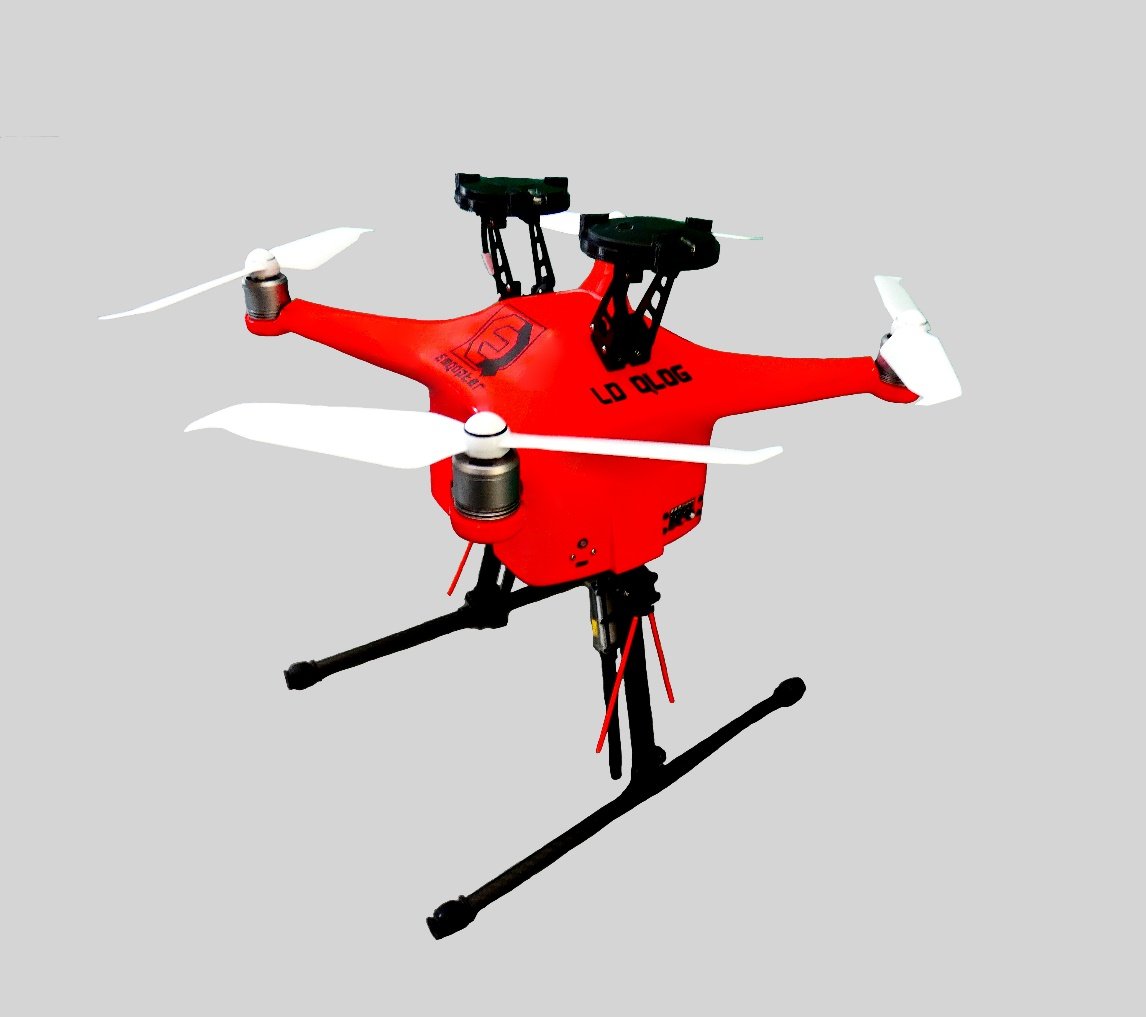
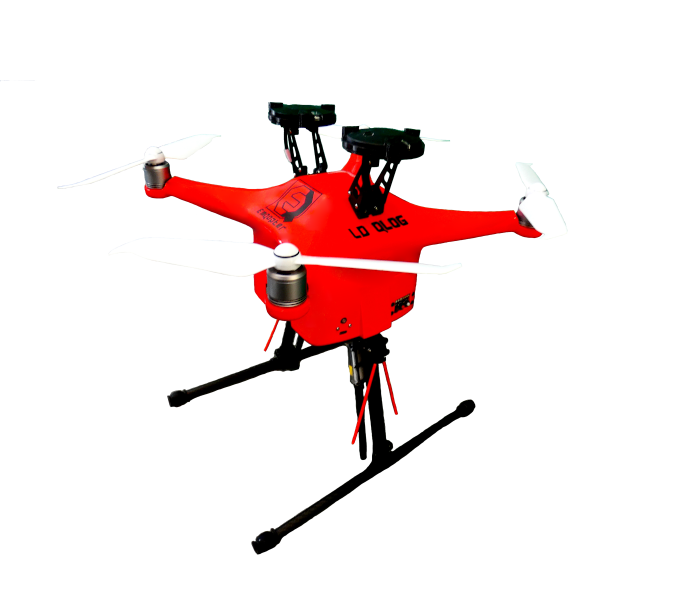
Small, light and handy; up to 200g payload

Development platform for application-oriented research and development. Fully airworthy, incl. EMQ Control and EMQ control software with driver and example implementation, Pixhawk flight control and fallback switch, dual GPS/GNSS, altitude control, telemetry and telecommandation as well as remote control and satellite receivers.

Low operational risk with a maximum take-off weight (MTOW) of 2kg and up to 200g payload. Flight time 15-25 minutes, wingspan 66 cm, maximum speed 50 km/h.

Robust design, attractive appearance and good visibility with closed housing in elegant red.
Qmed

Qmed

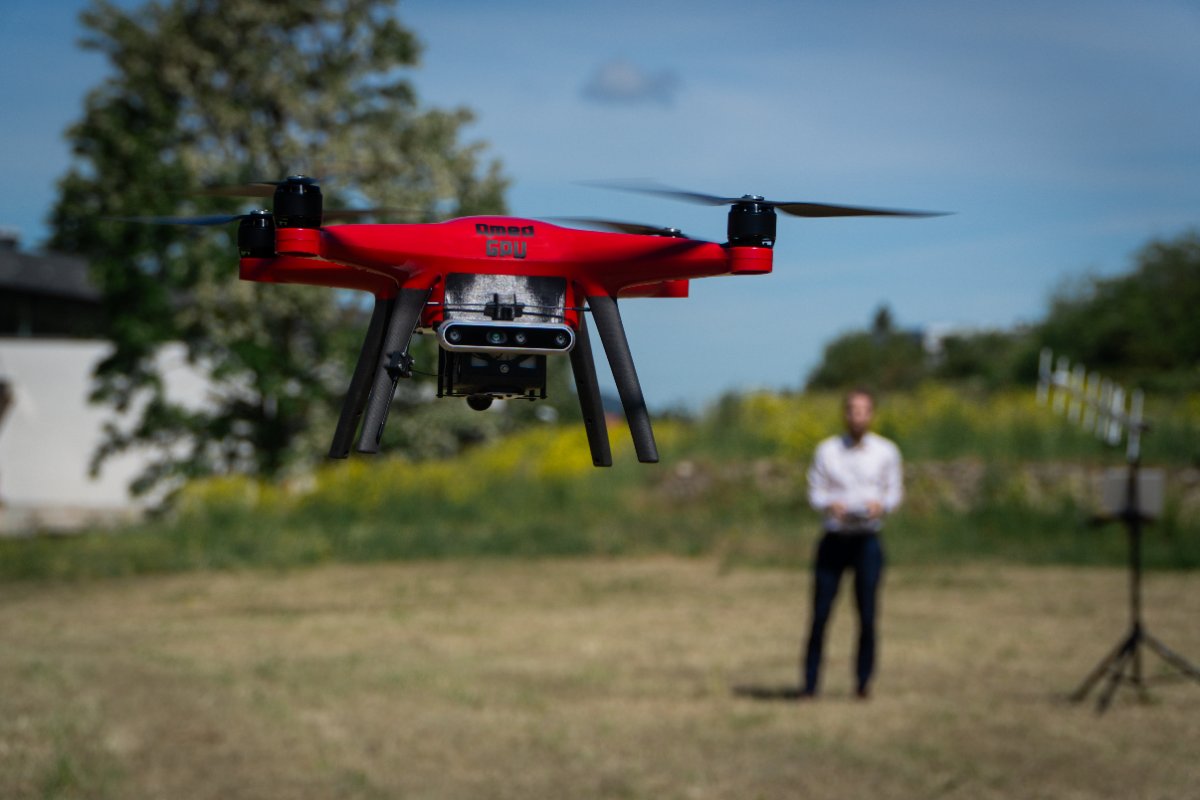
Qlog + AI = Qmed; up to 100g payload

Development platform for application-oriented research and development. Fully airworthy, incl. EMQ Control and EMQ control software with driver and example implementation, Pixhawk flight control and fallback switch, dual GPS/GNSS, altitude control, telemetry and telecommandation as well as remote control and satellite receivers.

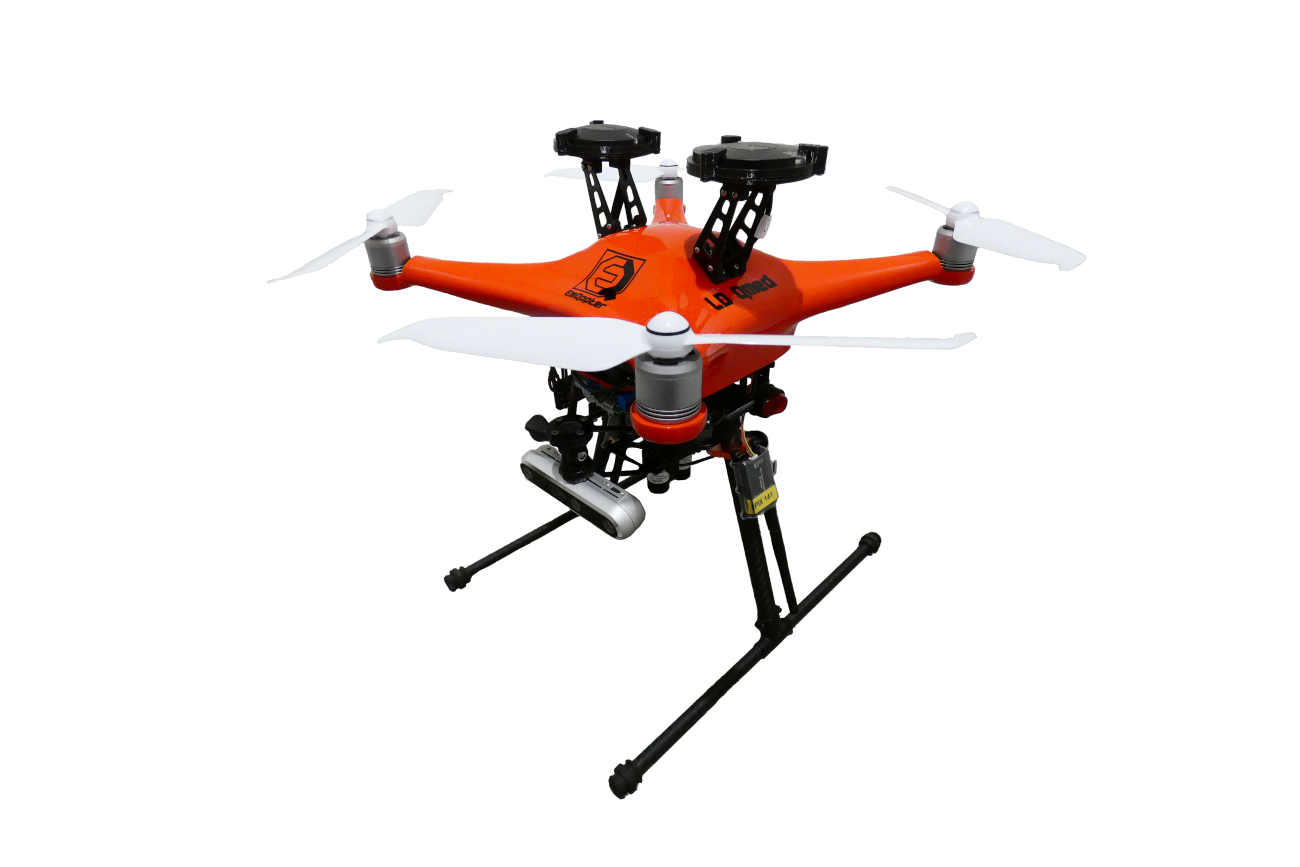
Whether neural network, data mining or swarm control – with its co-processor and 3D camera sensor the Qmed is the basis for your AI application.

Low operational risk with a maximum take-off weight (MTOW) of 2kg and up to 200g payload. Flight time 10-20 minutes, wingspan approx. 80 cm, maximum speed 40 km/h.

Robust design, attractive appearance and good visibility with closed housing in elegant red.
Q8000

Q8000

For more power; up to 2kg payload

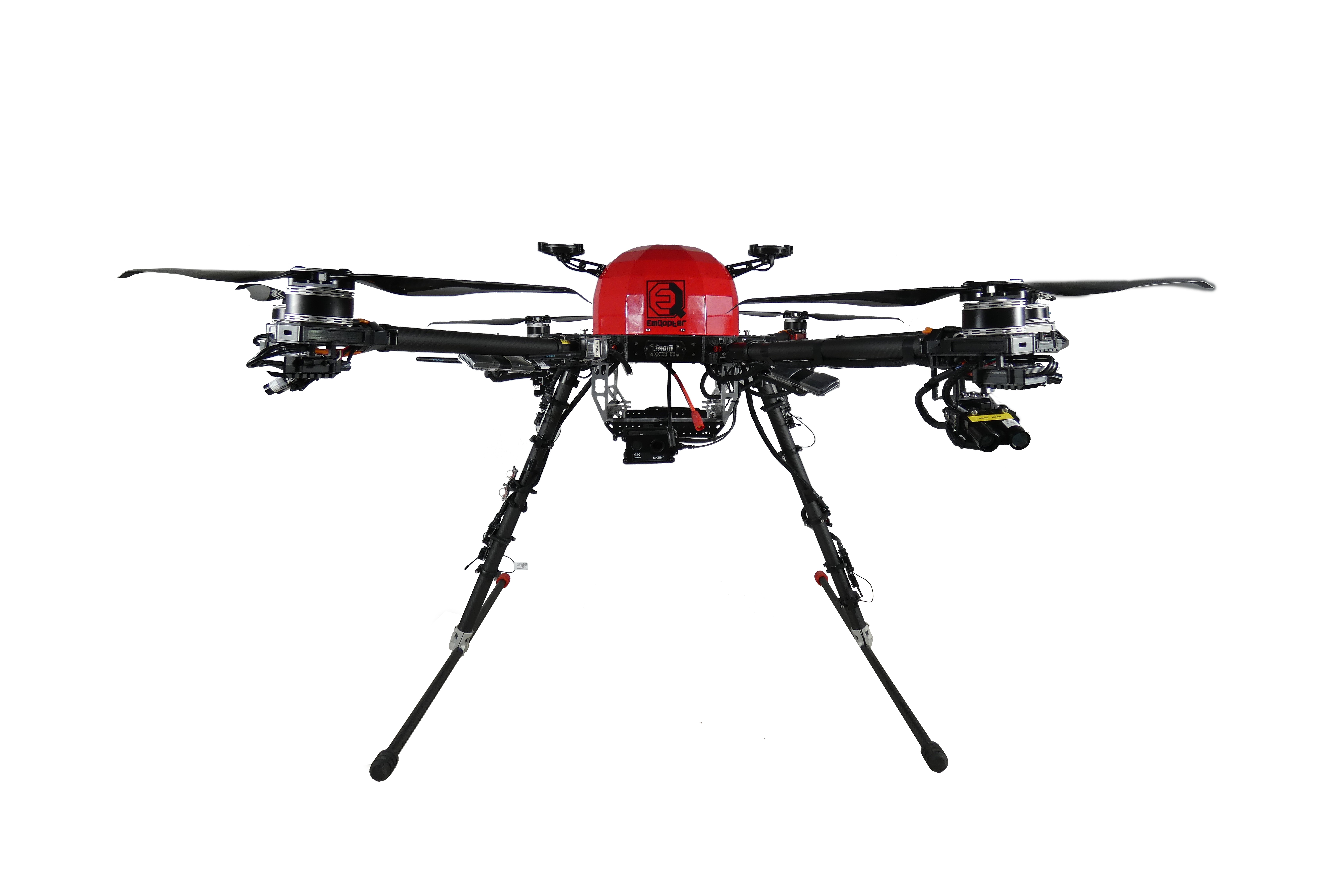
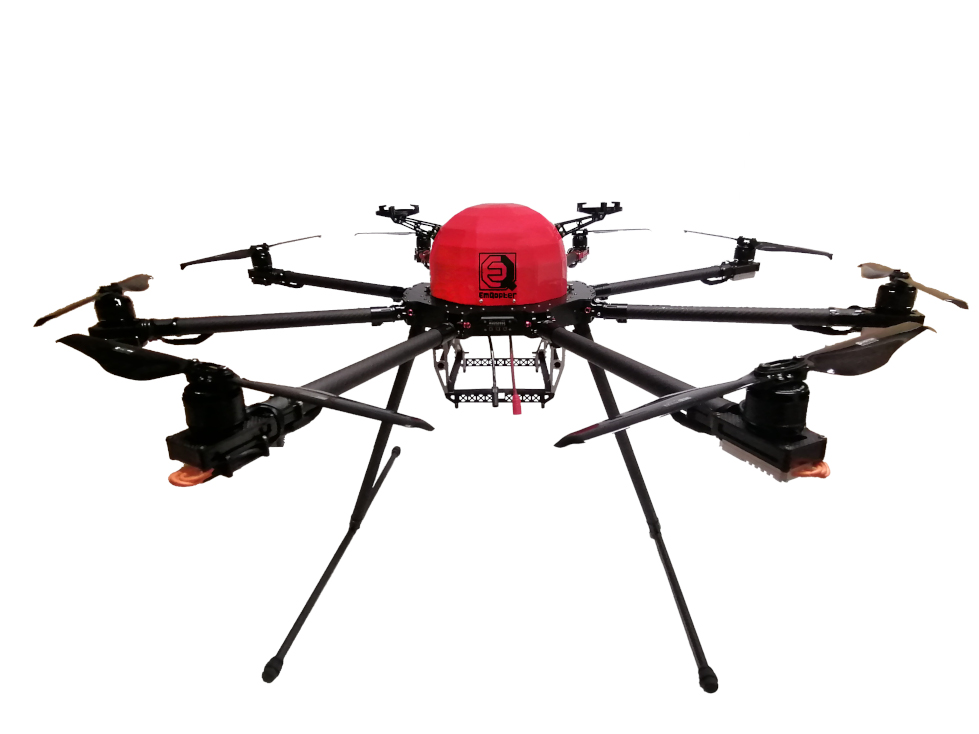
Development platform for application-oriented research and development. Fully airworthy, incl. EMQ Control and EMQ control software with driver and example implementation, Pixhawk flight controls and fallback switch, folding booms, dual GPS/GNSS, telemetry, telecommandation, remote control and satellite receiver.

For more performance with a payload of up to 2 kg with a maximum take-off weight (MTOW) of 12kg. Flight time 15-25 minutes, maximum speed 50 km/h.

Robust design, attractive appearance and good visibility with carbon fairing and hood in elegant red.

Q6000

Q6000

For even more performance; up to 5kg payload

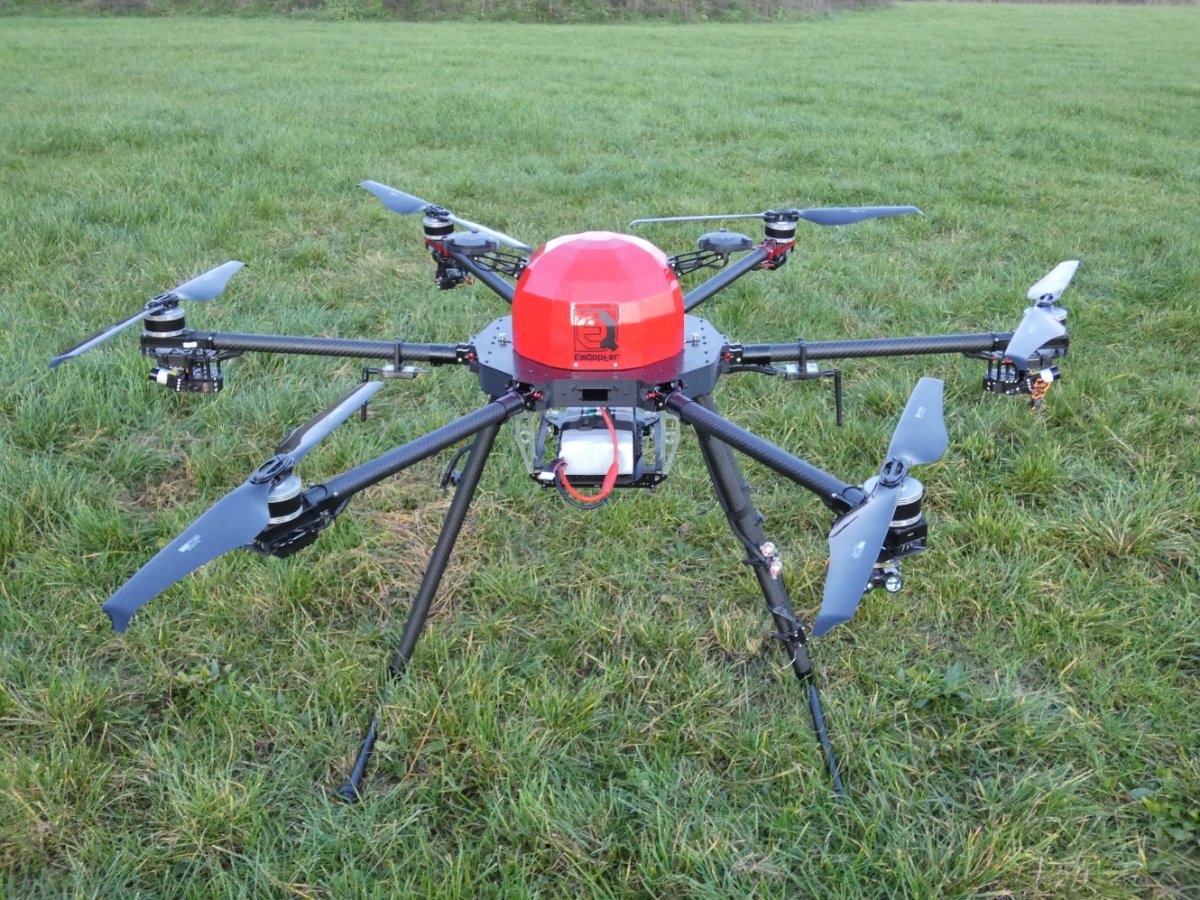
Development platform for application-oriented research and development. Fully airworthy, incl. EMQ Control and EMQ control software with driver and example implementation, Pixhawk flight controller and fallback switch, folding outriggers, dual GPS/GNSS, telemetry and telecommandation as well as remote control and satellite receivers.

For even more performance with a payload of up to 5 kg with a maximum take-off weight (MTOW) of 15kg. Flight time 15-25 minutes, maximum speed 50 km/h.

Robust design, attractive appearance and good visibility with carbon fairing and hood in elegant red.

Q6500

Q6500

Maximum power at a MTOW < 25kg; up to 10kg payload

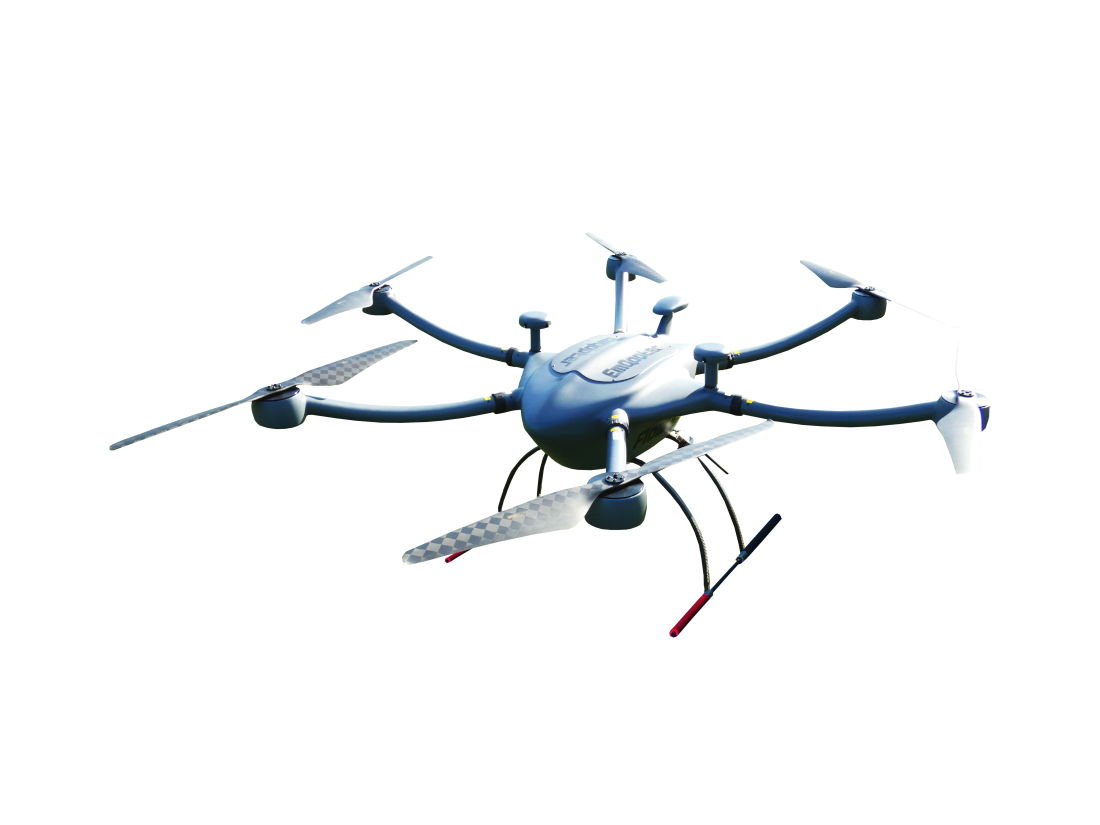
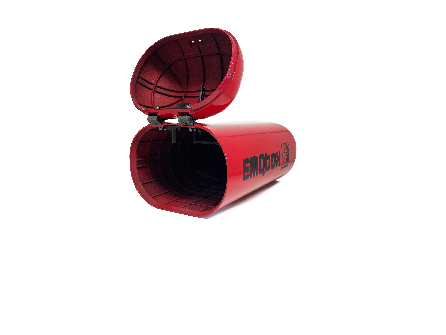
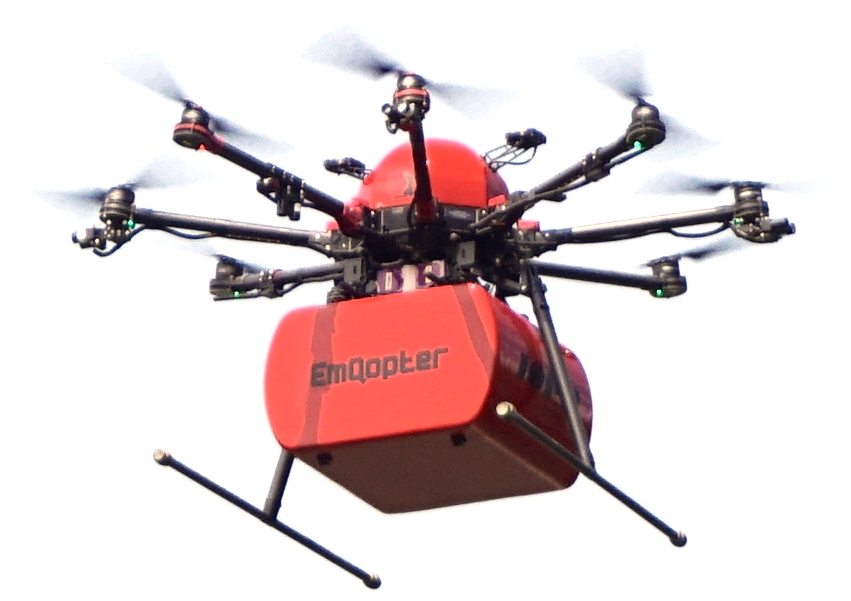
The Q6500 is the largest carrier system from Emqopter. With a payload of up to 10 kg, the hexacopter meets even higher payload requirements. And the system also gets the best flight time of up to 60 minutes that is available on the market for drones with a maximum take-off weight of less than 25kg (MTOW < 25 kg). As usual, you will receive the Q6500 as an open and freely programmable airworthy system with EMQ Control Development platform and Pixhawk flight controller or in an all-round carefree package as a Delivery Drone.

Modular equipment

Platform + sensors + tools + software

Every platform is equipped for your application. Each module comes with drivers, an example implementation and documentation – so integration into your system is done quickly.

Sensors & cameras

  • 3D LiDAR 360°
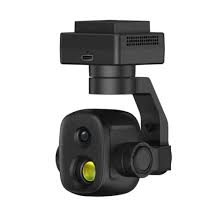
  • Thermal camera
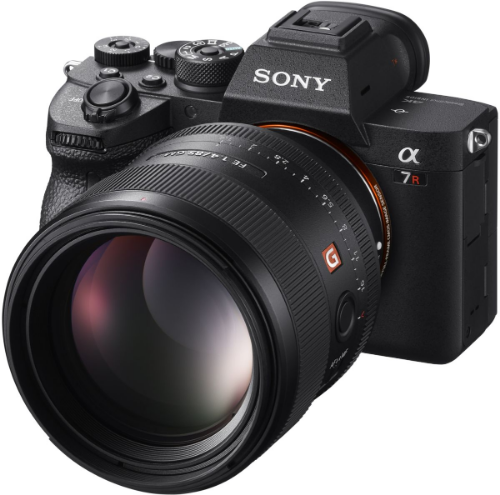
  • 4K camera
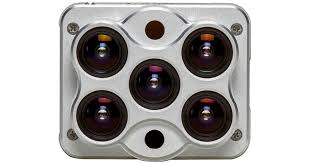
  • Multispectral & hyperspectral camera
  • Camera gimbal
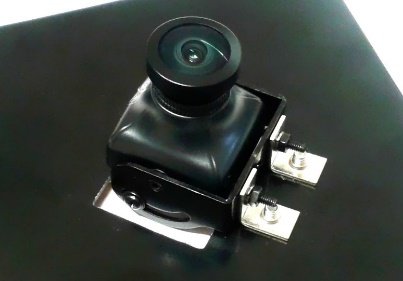
  • Ground camera for optical flow
  • Current sensor

Payload & tools

  • Transport box
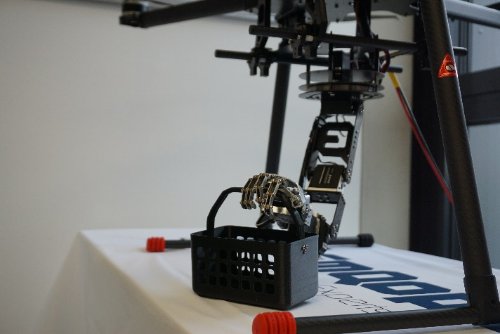
  • Gripper arm
  • Sensor drop mechanism

Communication & positioning

  • LTE & 5G communication
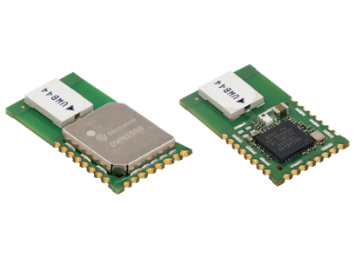
  • RTLS / UWB positioning
  • Optical indoor tracking

Software & autonomy

Application example

Application example

The QCS Development Platform Qlog as a training system for the pilots of AS Drone Service. Equipped with two remote controls and the mission planning software of our Delivery Drone Qlog enables AS Drone Service pilots to train on a system with low operational risk.

Flexibility meets reliability

The EMQ Control is an open source development platform and offers you a software library with full range of functions. You can change the existing projects or add new projects as you wish and thus develop your individual application scenarios. In addition, with USART, I²C, PWM, SPIO and USB numerous interfaces for hardware development are available. The integrated fallback switch also allows a fail safe in the event of an error. So you can fly without a tripod with the usual reliability of your QCS. This avoids unnecessary crashes and costs due to damage.

  • EMQ Control
  • Pixhawk Control
  • EMQ Supervised Pixhawk Control

The development platforms are based on the technology the core team has been working on since 2010 and use the same software platform as the QCS teaching system.

Application example

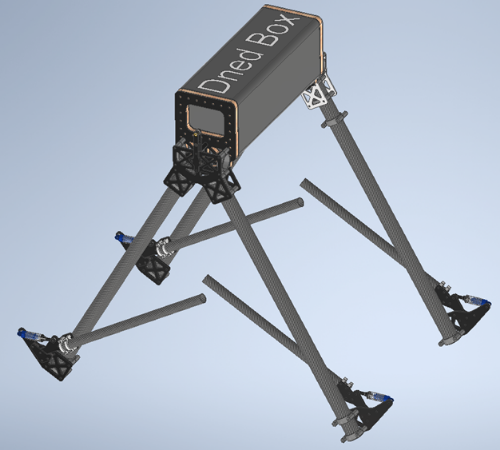
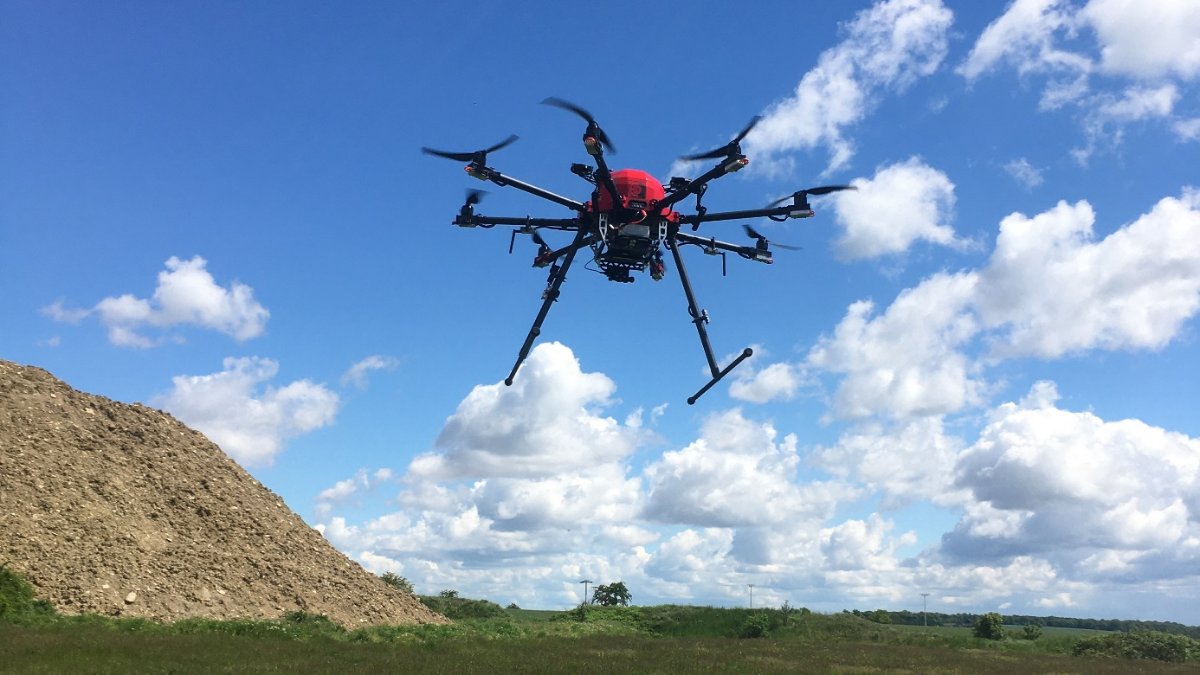
The QCS Development Platform Q6000 as a basis in the <a href="https://www.hsu-hh.de/ees/en/dtec-dned-eng">project DNeD</a>. Equipped with an ejection device, a current sensor for measuring network data on power lines and a 3D LiDar for situation detection and power line detection enables the Q6000 to accurately and automatically place a sensor on a power line.

Frequently asked questions

You do. All systems can be operated entirely locally: telemetry, control and the video link then run exclusively between the drone and your ground station – without cloud, without a mandatory app and without any data going to third parties. If you want a cloud connection or other forms of access, that is possible too; a cloud can also be operated entirely locally on your premises. In any case you keep control over where your data is stored.

Flight-capable development platforms from the compact quadrotor with 200 g payload for laboratory and hall to the hexacopter with 10 kg payload, 60 minutes of flight time and 30 km range. Onboard computers from the Raspberry Pi to the NVIDIA Jetson for object detection, SLAM and swarm control; sensors and interfaces are adapted to your project. Alongside the open-source development platform, a redundant flight controller flies along: if a fault is detected, it automatically takes over via a fallback switch and holds position or returns to the take-off point – so even experimental software can be tested safely. The QCS is already suitable as an entry into research; work developed there can be exported to the platforms.

Yes. We show you the QCS live in a free, non-binding web demo of about 20 minutes and answer your questions. For the delivery drone and the drone port a consultation is possible at any time – on request with a visit to the drone port in Würzburg. For custom systems, industrial applications and research and development projects we also recommend a consultation in which we go through your requirements together. You can book the appointment directly on the website: request an appointment.

Apart from special cases, operation requires an operational authorisation in the specific category of the EU drone regulation. On request Emqopter handles the entire approval procedure – or you take care of it yourself with the help of our documentation.

Yes. The Q-series development platforms use the same software platform as the QCS. Projects from teaching can be transferred to the flight-capable platforms without any porting effort – from the quadrotor with 200 g payload to the hexacopter with 10 kg payload and 60 minutes of flight time.

All questions and answers

Research together

Research projects with universities, institutes and companies

Emqopter emerged from the University of Würzburg – and research remains an integral part of our work. In publicly funded joint projects (including ZIM, mFUND, dtec.bw and the Bavarian Ministry of Economic Affairs) we develop new applications for autonomous flying robots together with universities, research institutions and industrial partners.

We contribute the airworthy platform, the open flight controller, sensor integration and autonomy software – you bring the question from your domain. We are always looking for partners for new project proposals, industrial cooperations and supervised theses.

Projects we are or have been part of

  • FlowProDrones in the logistics network (mFUND, BMDV)
  • DNeDSensor placement on overhead lines (dtec.bw, with Helmut Schmidt University Hamburg)
  • SupervisorPilotAssisted flight guidance (ZIM)
  • TAGEBAUAutonomous surveying and volume calculation in post-mining areas
  • SUCOMDrone communication (BMVI)
  • QANI-FEEDIntelligent Quanipulator (Free State of Bavaria)

Let's talk about your project

Whether transport route, teaching system or sensor technology – we advise you personally and find the right solution.